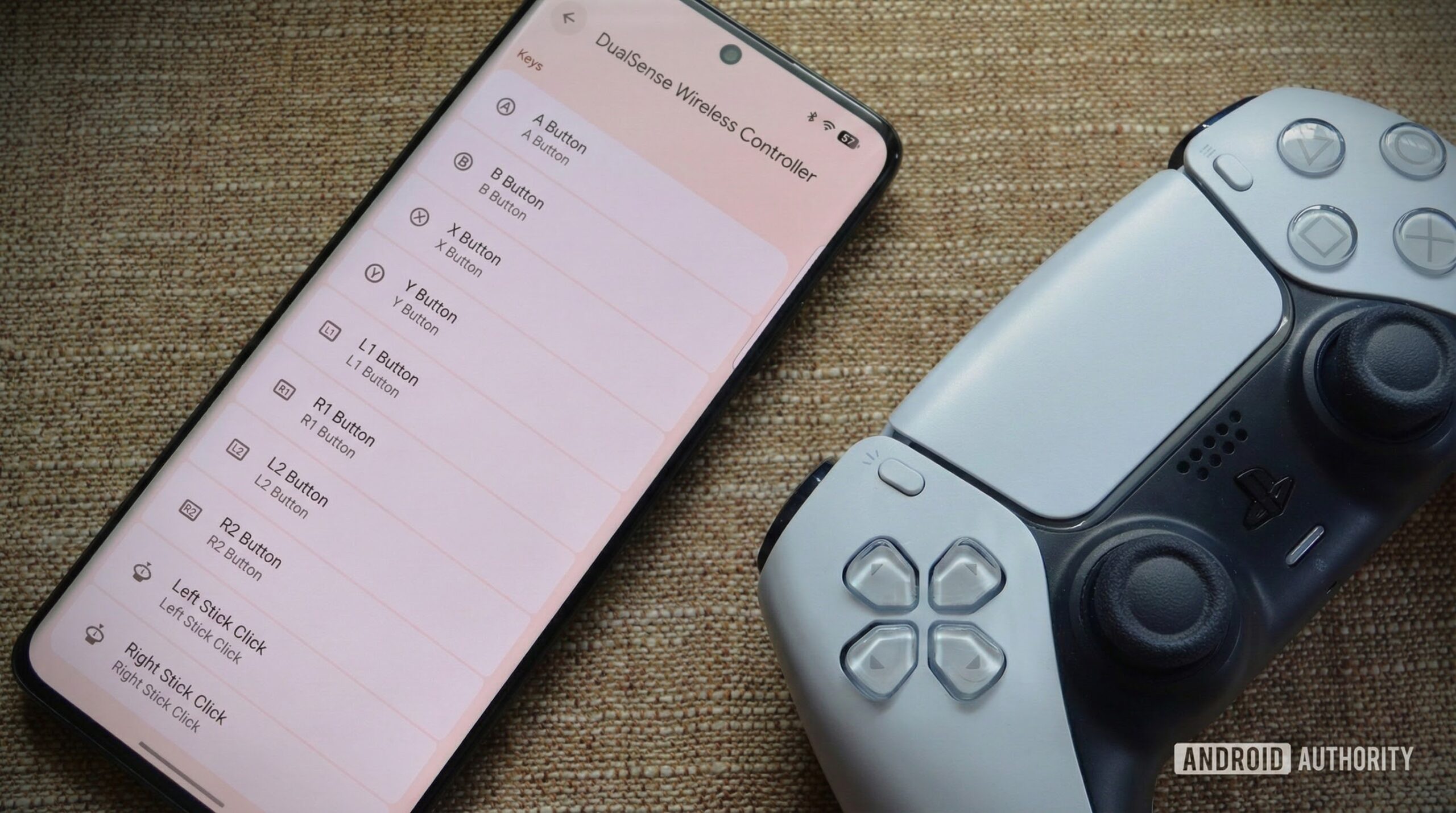
Google has finally delivered on a long-awaited promise to gamers with the introduction of native controller remapping on Android 17 Beta. This feature, which has been a top request from users, allows for a level of customization that was previously lacking. Users can now tailor their gamepad controls to their specific needs, a significant improvement over the fragmented solutions that existed before.
What makes this particularly fascinating is the system-level approach Google has taken. Unlike many current solutions that rely on individual games or third-party apps, Android 17's implementation works across the entire system. This means that once you've set up your preferred button layout, it applies to all compatible games, eliminating the need for repeated setup. This level of consistency is a game-changer for gamers who want a seamless experience across different titles.
In my opinion, this feature is a testament to Google's commitment to improving the Android gaming experience. It addresses a real pain point for gamers, who often face the challenge of adapting to different control schemes in different games. By providing a universal solution, Google is making it easier for players to enjoy their favorite games with controls that feel natural and intuitive.
One thing that immediately stands out is the attention to detail in the implementation. Users can remap face buttons, triggers, and thumbstick clicks, swap directional inputs like analog sticks and the D-pad, and save preferences directly on their device. This level of granularity ensures that players can customize their controls to match their unique playstyles and physical needs.
What many people don't realize is the broader impact of this feature. Controller remapping is not just about convenience; it also has implications for accessibility. By allowing players to tailor controls to their physical needs and muscle memory, Google is making gaming more inclusive. This is especially important for players who switch between platforms with different controller layouts, as it can significantly improve their overall gaming experience.
If you take a step back and think about it, this feature also raises a deeper question about the future of gaming on mobile platforms. As mobile gaming continues to evolve, features like controller remapping will play a crucial role in attracting and retaining a dedicated player base. It's a sign of Google's foresight and dedication to the gaming community.
A detail that I find especially interesting is the early release of this feature. Controller remapping is currently limited to devices running Android 17 Beta (Beta 2 or later). This early access allows Google to gather valuable feedback from a select group of users, ensuring that the final release is polished and refined. It's a smart strategy that demonstrates Google's commitment to continuous improvement.
What this really suggests is that Google is listening to its users and taking action. The company's response to repeated user feedback is a positive sign for the future of Android gaming. As the platform continues to evolve, we can expect to see more features like this one, further enhancing the gaming experience for Android users.
In conclusion, Google's introduction of native controller remapping on Android 17 Beta is a significant step forward for the gaming community. It addresses a long-standing issue and sets a new standard for customization and accessibility. As the feature continues to evolve, it will be fascinating to see how it shapes the future of mobile gaming.